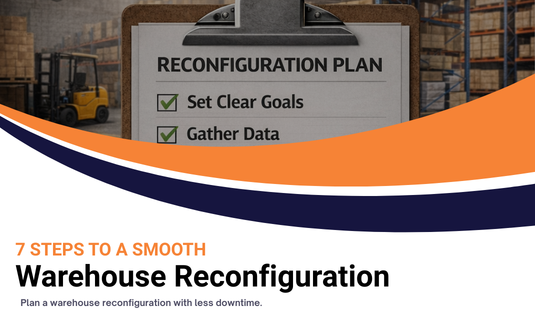
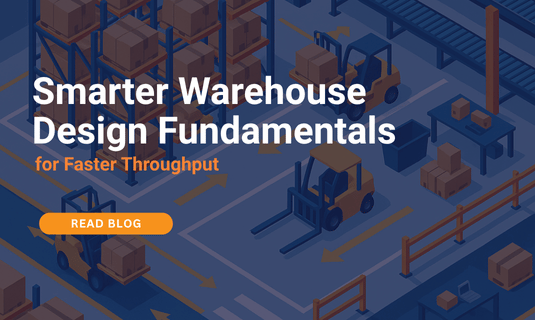
When it comes to warehouse operations, warehouse design often doesn’t get the attention it deserves—until things go wrong. A poorly planned layout can quietly drain your budget, slow operations, and increase risks. At the same time, it may seem like a one-time setup decision, the design of your warehouse has long-term implications for cost, efficiency, and safety.
Here’s a look at the hidden costs of a bad warehouse layout and why investing in smart design is worth every penny.
1. Poor Warehouse Design + Wasted Space = Wasted Money
Every square foot in your facility has value. A layout that fails to maximize vertical space, uses oversized aisles, or doesn’t accommodate your product flow can result in underutilized areas. This inefficiency can make it feel like you’re outgrowing your space, even when you’re not.
The cost? You may end up renting additional warehouse space, expanding prematurely, or overpaying for a footprint you’re not fully using.
2. Lower Productivity and Slower Fulfillment
Poor layout equals more time spent traveling, picking, or staging items. When employees must navigate awkward paths, backtrack, or search for misplaced products, it slows everything down, from order picking to restocking.
The result? Reduced throughput, more labor hours, and unhappy customers waiting longer for their shipments.
3. Increased Risk of Accidents and Safety Violations
Tight aisles, congested work zones, and poorly marked areas raise the risk of workplace injuries. Forklifts navigating in tight quarters, blocked fire exits, and improper storage can all lead to serious incidents—and steep OSHA fines.
The hidden cost? Beyond financial penalties, you’re facing downtime, workers’ compensation claims, and potential damage to employee morale.
4. Inventory Inaccuracy and Product Loss
A disorganized warehouse layout can make inventory management a nightmare. Without a logical, clearly defined system, products can be stored in the wrong places, go missing, or become damaged.
The impact? Frequent stockouts, over-ordering, and shrinkage that eats into your profit margins.
5. Higher Equipment Wear and Maintenance Costs
When forklifts and other equipment must travel longer routes or maneuver around tight turns and bottlenecks, wear and tear increases. You’ll replace tires more often, service machines sooner, and see more frequent breakdowns.
What it costs you: Increased maintenance bills, equipment downtime, and reduced operational lifespan of your machines.
6. Scalability Becomes a Challenge
If your warehouse layout wasn’t built with growth in mind, expansion can get expensive and chaotic. Whether it’s adding more SKUs, automation, or staff, a poorly designed space makes it hard to scale without disruptions.
The price? Retrofitting layouts midstream costs more and often requires temporary slowdowns or shutdowns.
 How to Avoid These Hidden Costs
Investing in a smart warehouse layout from the start—or reworking your current one—can lead to massive savings over time. A well-designed layout should:
- Match your product flow and order profiles.
- Maximize vertical and horizontal space.
- Allow safe, efficient movement of people and equipment.
Be flexible enough to grow with your business.
Partnering with experienced warehouse design professionals can help you identify inefficiencies and create a layout tailored to your operational needs.
The actual cost of a poor warehouse layout isn’t always obvious—until it starts affecting your bottom line. From safety concerns to lost productivity and higher operational costs, these issues can quietly pile up. By recognizing and addressing layout inefficiencies early, you can transform your warehouse into a space that drives growth, not drains resources.
Looking to optimize your warehouse layout? Stein Service & Supply can help you warehouse design a smarter, safer, and more efficient space.