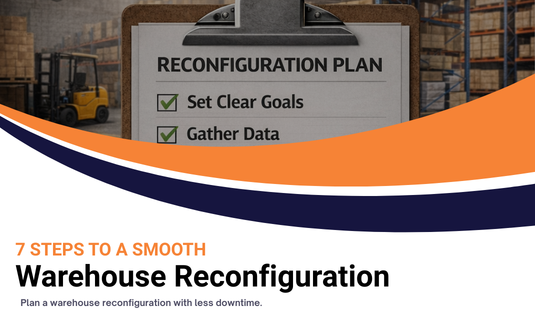
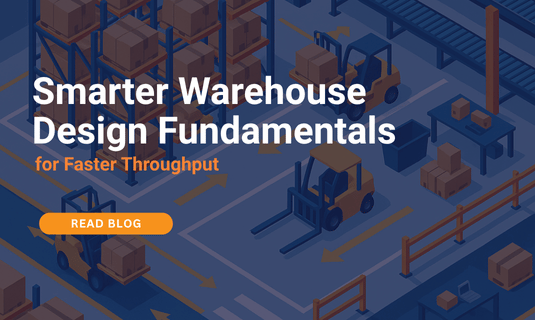
More than ever, having an efficient, highly functional warehouse layout has become vital in today’s distribution centers and warehouses. Whether you are maximizing your floor space by reconfiguring your current space or you are purchasing a new facility and need to optimize your pallet rack layout, a pallet racking system plan can help you streamline the design process so you can get your pallet racks up and running.
Pallet Racking System Guidelines and Tips
This blog will help you come up with the best process and design plan for your pallet racks. Designing a pallet rack system requires a well-thought-out project timeline so you can assess all considerations and aspects properly.
Regardless of how long it may take to complete a pallet rack system project, the pallet rack procedure follows a general timeline.
Timeline and Process
6 to 8 Weeks – Determine the type, location, and size of your pallet racking system to suit your storage requirements. Depending on the size or scope of the project, customization, and manufacturer lead times, a time frame for pallet procurement can vary depending on whether you are having a new pallet rack manufactured or you are purchasing a used pallet rack.
4 to 6 Weeks – For most pallet rack projects, permits will be required depending on your city or state’s regulations.
1 to 5 Weeks – The installation process often depends on the scope or size of the project.
1 Day to 5 Days – Approvals and inspections are dependent upon an inspector’s schedule and availability.
Basics of Pallet Rack Systems
In order to achieve long-term success with your pallet racks, you should understand the basics of pallet rack systems including:

 Load Capacity
Maximum and average pallet loads should be taken into account in the pallet rack system design process.
Pallet Rack Materials
You will need to consider what type of pallet rack steel to use for your required load capacities. Roll-formed or hot-rolled steel are commonly used. Roll-formed beams can be put together using boltless beam connectors to speed up the installation process when compared to structural beams.
Facility Features Including Temperature and Production Zones
Columns, ceiling height, and floor space should be considered as part of your pallet rack design. Your floors must be strong enough to hold the entire weight of your pallet racks.
Work Areas
Warehouses that include workspaces for shipping and packing products, as well as manufacturing companies, should consider production work areas as part of the pallet rack design process.
 Material Handling Equipment
Aisle width, as well as the size and type of your equipment, are some other factors that should be considered in the design process as the racks must be able to accommodate your material handling equipment in a distribution center or warehouse.
Turnover and Product Type
What types of products do you plan on storing on your pallet rack shelves? How often will you need to access the pallets? What type of packaging system should you use (last in, first out, or first in, first out)?
Building Code Compliance and Permits
City permits and building codes vary which is why all pallet rack systems should be designed to comply with these requirements. If your system fails to meet coding requirements, your pallet installation timeline could be set back or require additional changes to conform with your city’s building codes and permits.
Learn more about warehouse permitting.
How to Select the Right Pallet Racking System
Your specific distribution center or warehouse’s needs will determine the considerations you should think about during the design process. Establishing a budget for your pallet racking system is also important along with factors related to pallet rack style, type, and other planning aspects. If the overall pallet rack system isn’t properly discussed or planned, you could end up with a system that doesn’t account for your specific needs or future growth.
Prior to making a decision, contact Stein Service & Supply. We can help you determine the right type of system for your facility and help you stay within your budget constraints.