
Warehouse Equipment
Pallet Rack Systems
Stein Service & Supply has sold pallet rack since 1999. We design, supply, and install pallet rack systems and manage the high-piled storage permit.
 Certified byTodd McGeeWarehouse Solutions Specialist, in material handling since 1996
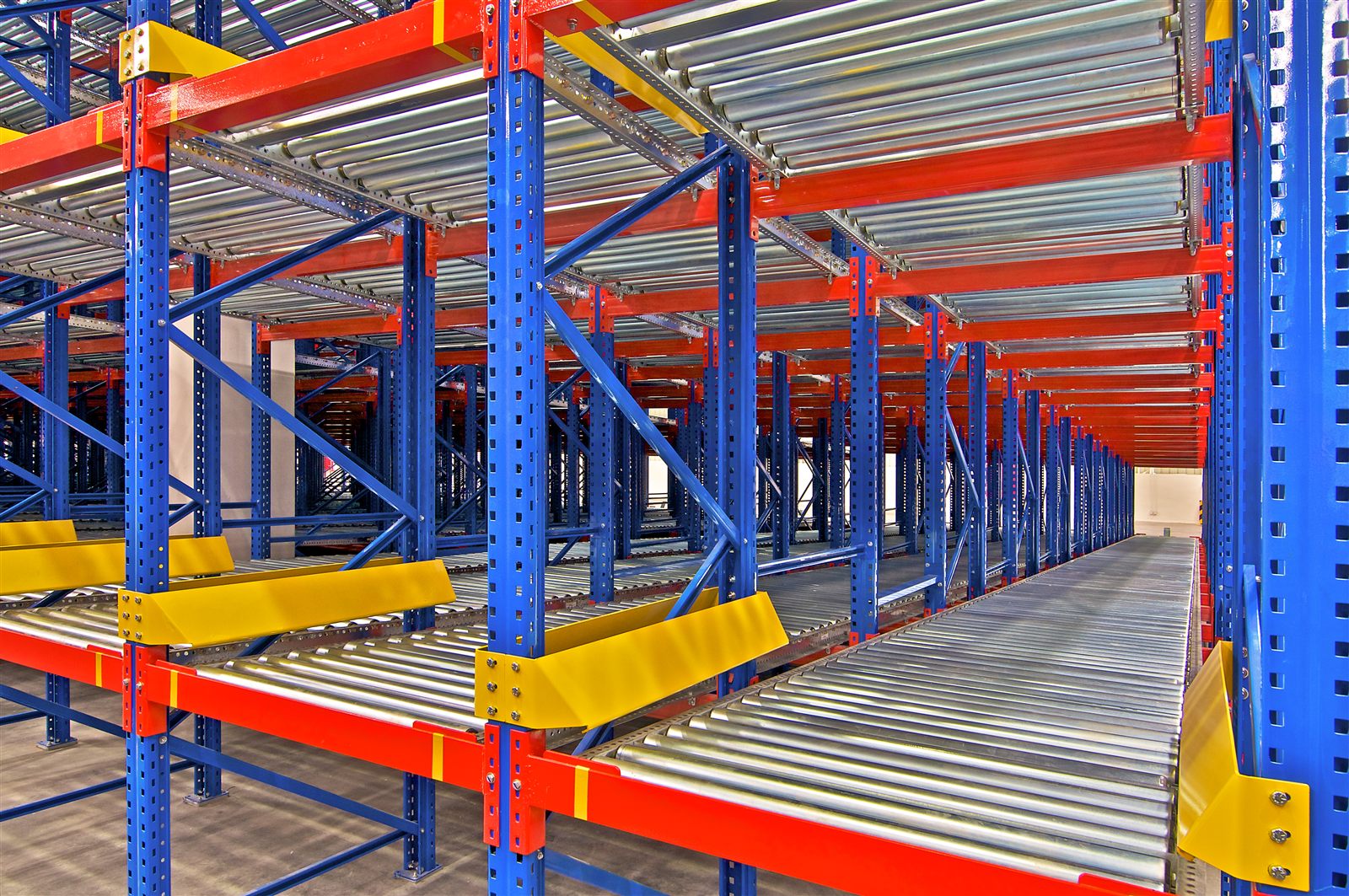
Pallet Rack Services
We size each system to the loads on each level and check the layout against the fire code.
Our core service area is North Carolina, South Carolina, Georgia, and Virginia, and in 2025 we completed projects in 24 other states.
- Load review and beam and upright sizing for each level
- Selective, drive-in, push back, flow, cantilever, and pick module systems
- Layout drawings checked against the fire code
- High-piled storage permit documents and submission
- Installation by our own crews
- New in-stock and used pallet rack
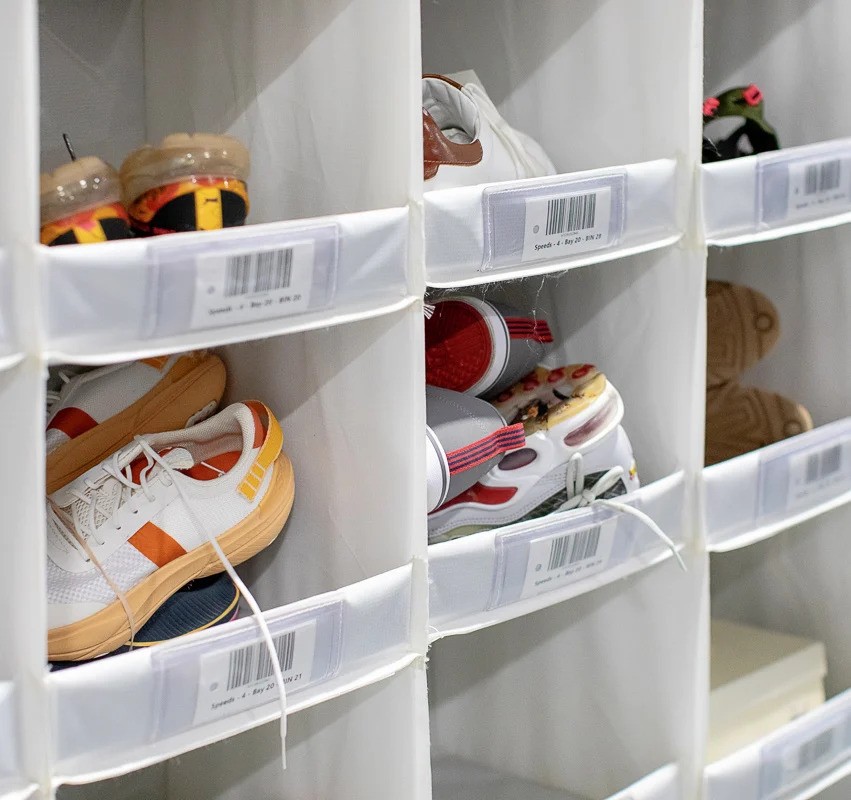 SpeedCell High-Density Storage System
Maximize storage, improve pick rates, and reclaim wasted space with the SpeedCell high density storage solution from UNEX. SpeedCell is a dynamic…
Learn More
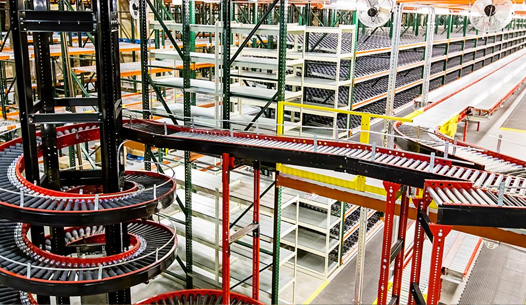 Multi-Level Pick Module Systems
Pick Module Storage Rack Systems optimize product flow while improving the order-fulfillment process. Various storage systems, including push-back…
Learn More
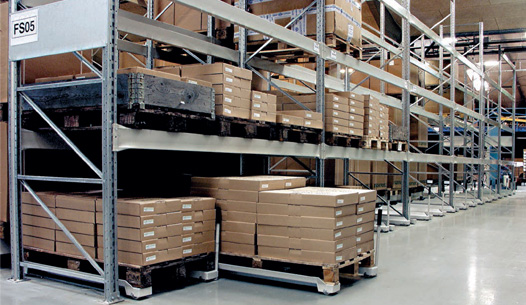 Roll-out Pallet Rack
Roll-out pallet rack is an innovative storage solution designed as a drawer system for pallets. It offers several advantages over standard pallet…
Learn More
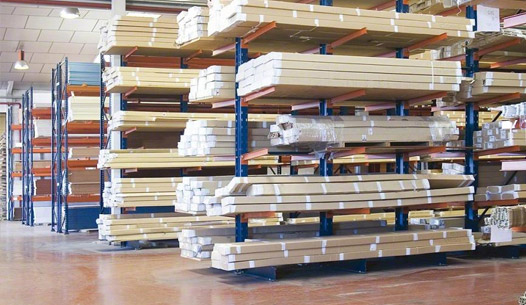 Cantilever Pallet Rack
Cantilever racks are ideal for storing long, bulky items such as pipes, lumber, and textiles. Double and single-sided units are available with a…
Learn More
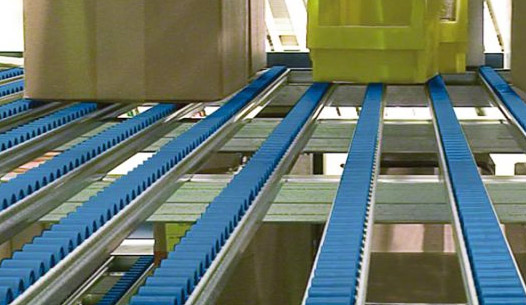 Carton Flow Pallet Rack
Stein Service & Supply offers several carton flow rack options for various pallet picking levels. Carton flow can help organize smaller products being…
Learn More
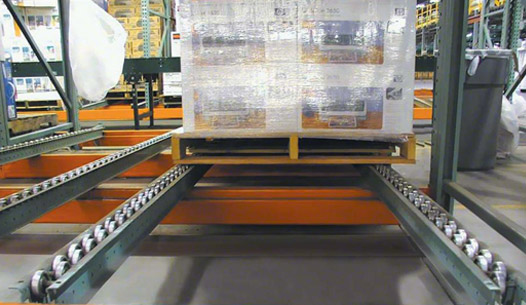 Pallet Flow Rack
 is a high density storage system that functions as FIFO (first in, first out). This type of system works well for time sensitive…
Learn More
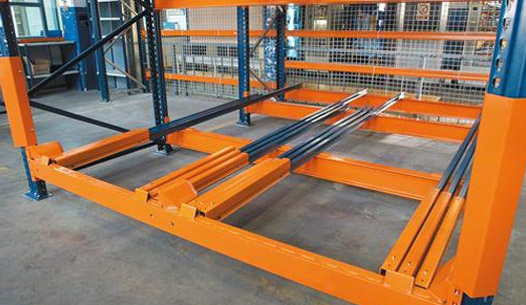 Push Back Pallet Rack
Push Back Racking is a high density storage solution that allows greater selectivity than drive-in pallet rack. Push Back is a LIFO (last in, first…
Learn More
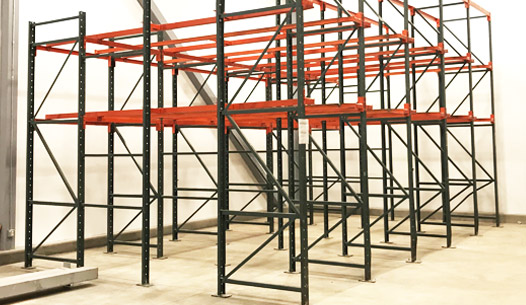 Drive In Pallet Rack
Drive-In Pallet Racking is a high density storage solution that works well with a limited number of product SKUs. Drive-In requires standardized…
Learn More
 Selective Pallet Rack
 is the most common racking used in warehouses. It has the lowest storage capacity, but it is generally the lowest cost option…
Learn More
Load Capacity and Beams
The beams and the uprights set the capacity of a rack system, so we size both to the heaviest pallet on each level and to the picking method. Most of the system design follows from these loads.
Beams can be replaced with heavier beams after installation, but removing and scrapping the original beams and then buying and installing new ones costs more than installing the heavier beam at the start. When heavier product is possible on a level, we recommend the heavier beam in the original order.
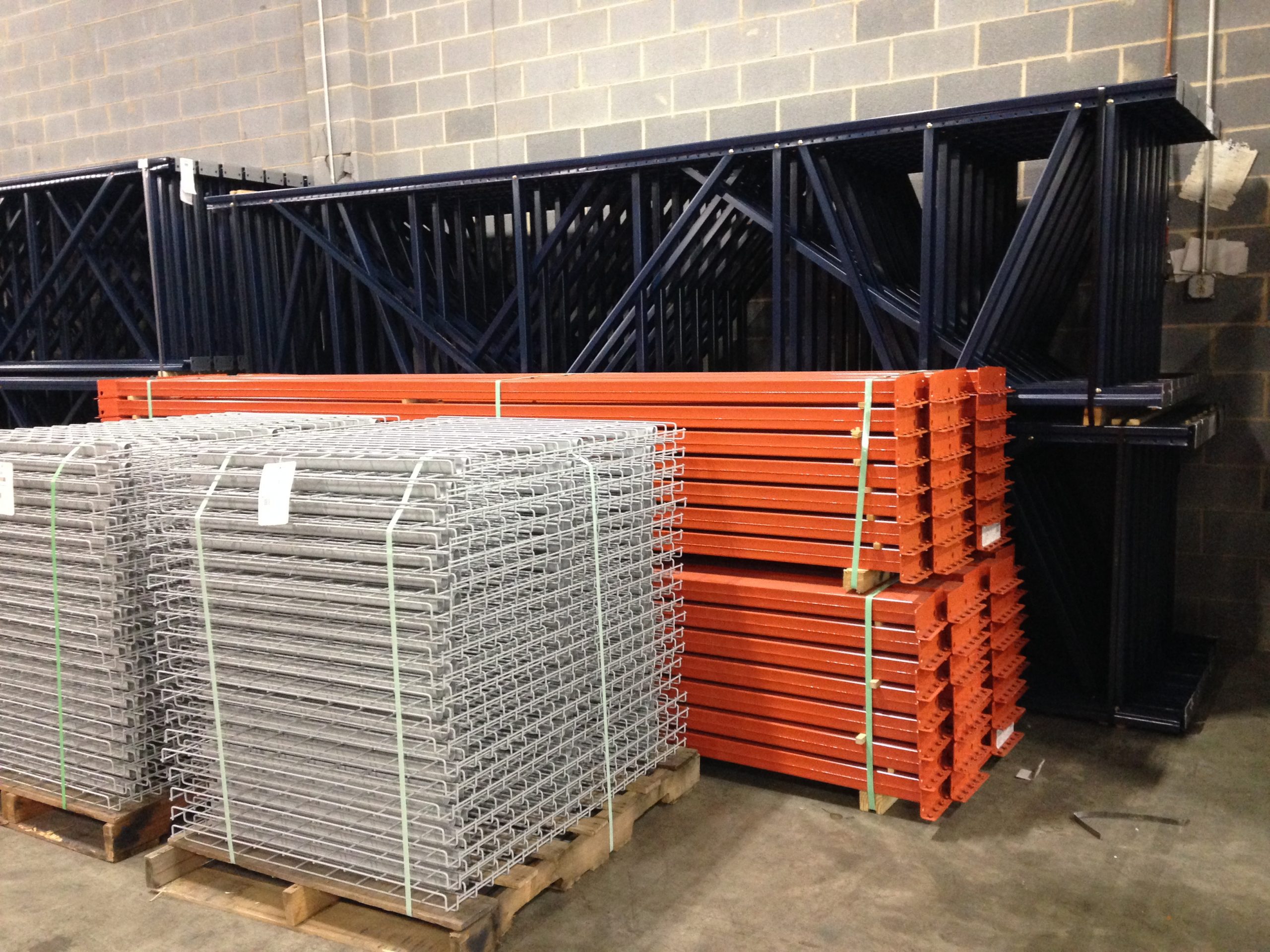
The load determines every rack design. When heavier product may be stored on a level in the future, the heavier beam should be installed now. Replacing light beams later costs more than installing the correct beam the first time.
Pallet Rack System Types
Most system choices depend on whether the goal is the most pallet positions or the most SKUs (stock-keeping units), and on whether the product must ship first in, first out (FIFO). The type of lift equipment then sets the aisle width and the storage height.
| System | How it works | Typical use |
|---|---|---|
| Selective | One pallet deep, usually installed back to back with an aisle on each side. Every pallet is accessible. | Many SKUs, with access to any pallet at any time. The most common system and usually the lowest cost, with the lowest storage density. |
| Drive-in | Forklifts drive into the rack to store and retrieve pallets. Last in, first out (LIFO), with standard pallets throughout. | Large quantities of the same product. Usually lower in cost than push back or pallet flow. |
| Push back | Pallets rest on carts and move back as the next pallet is loaded, up to 6 deep. Every lane and level operates independently. | High density with more SKUs than drive-in allows, where last in, first out is acceptable. |
| Pallet flow | Pallets are loaded from one side, and gravity rollers carry them to the pick side, up to 20 deep. First in, first out. | Time-sensitive product and fewer SKUs. |
| Carton flow | Gravity lanes for cases picked by hand, often installed in the lower levels of selective rack. | Smaller product picked by the case or by the piece. |
| Cantilever | Arms extend from a single column, with no front uprights. Single or double sided. | Long or irregular items such as pipe, lumber, or steel. |
| Pick module | Two or three levels that combine selective rack, push back, flow, and conveyor. | High-volume operations where order picking limits throughput. |
Each design starts with the product: what is stored, its dimensions and weights, and the goal of the layout. The lift equipment determines the aisle width and how high the rack can go. From there, we decide whether selective rack is the right system or whether the operation needs a more specialized solution.

Code Requirements
The fire code governs the storage height, the decking, and the space between rows, so we check the layout against it as we draw.
Permits Above 12 Feet
When the top of the storage is higher than 12 feet, the fire code classifies it as high-piled storage, and the sprinkler system must be rated for the stored product at that height. Permitting
Wire Decking
Decking must be more than 50 percent open, with openings no more than 6 inches apart, so that sprinkler water reaches every level. Solid decking, or wire deck that does not meet these limits, is classified as solid shelving, which usually requires sprinklers inside the rack.
Flue Space
Back-to-back rows require a gap between them, called the flue space, through which heat rises and sprinkler water reaches the lower levels. Row spacers hold the gap at a fixed width.
Seismic Areas
In seismic areas such as Charleston, South Carolina, an engineer may specify larger base plates and more anchors, or tie the rack together or to the building.
Our warehouse design work covers these checks in more detail. Warehouse design
In a seismic area, the rack is designed for the expected severity of an earthquake and must resist tipping. The engineer usually specifies a larger base plate and more anchors. At that level of analysis, an engineer must be involved.
Pallet Rack Questions
Can I change beam levels later?
How do I compare two rack quotes?
Do you sell used pallet rack?
Do you install and permit it?
More Pallet Rack Options
Contact
Discuss a Pallet Rack Project
Contact us with the products to be stored, their weights, and the lift equipment in use.